
Ask a beginner what makes a great trader and they’ll talk about entries. The perfect signal. The magic indicator. The token that ten-xed.
Ask someone who has survived a few violent markets and they’ll talk about something far less exciting: how they get out, how much they risk, and how fast they can cut a position that turns against them.
I learned this the slow way. And it completely changed what I look for in a trading platform.
The Car Analogy That Finally Made It Click
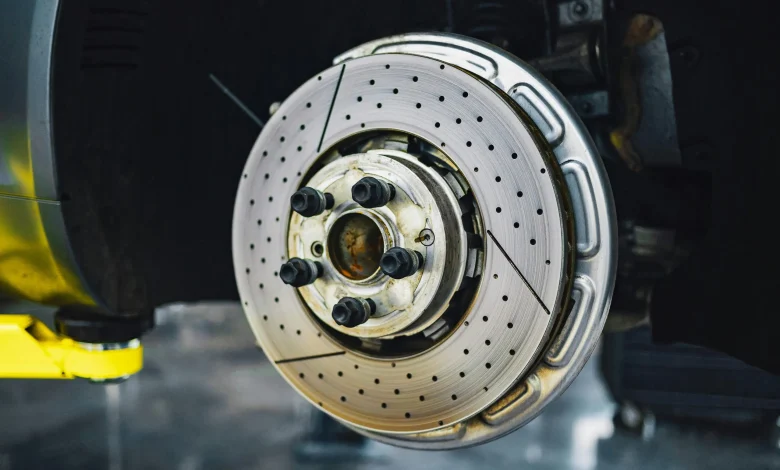
Think of a trading account like a car. Beginners obsess over the engine — how fast can I go, how big can the gains be. But anyone who has driven at real speed knows the engine isn’t what keeps you alive. The brakes do.
A powerful car with weak brakes is not fast. It is dangerous. And a trading strategy with no reliable way to control loss is not aggressive. It is just fragile.
Once I started thinking this way, I judged every platform by a simple question: how easily can I stop the bleeding when I need to?
Where ScalpBase Earned My Attention
Plenty of exchanges treat risk controls as an afterthought — a setting buried three menus deep, a stop order that takes four clicks and a prayer to place.
ScalpBase treats position management as a core part of the workflow rather than a bolt-on. Adjusting exposure, setting trade parameters, and watching how a position is behaving can all happen without diving through layers of unrelated screens.
That sounds minor until the market is moving fast and you have seconds, not minutes, to react. In those moments, every extra click is a small tax on your discipline.
Reading the Chart With an Exit Already in Mind
The way I read a chart now is different from how I read it as a beginner.
I don’t look at a setup and ask “how much can I make?” first. I ask “where am I wrong, and how fast can I act on it?” The chart tells me the idea; the platform tells me whether I can trust my exit when the idea fails.
What reassured me on ScalpBase was that the exit never felt like the weak link. Closing or trimming a position was just as responsive as opening one — which, when you think about it, is exactly backwards from how most platforms behave under stress.
Why Pros Count Downside First
There is a reason experienced traders talk about risk before they talk about reward. They have learned, usually painfully, that survival is the strategy. You cannot compound gains from an account that blew up on a single bad night.
A platform that makes risk control effortless doesn’t just save you money. It quietly shapes better habits. When cutting a losing trade is frictionless, you actually do it, instead of freezing and hoping.
The Real Takeaway
I no longer evaluate a trading platform by its flashiest feature. I evaluate it by its brakes — how cleanly, quickly, and reliably it lets me control loss.
ScalpBase passed that test not by shouting about it, but by making the defensive side of trading feel as natural as the offensive side. For anyone who has watched a good trade turn ugly, that is not a nice-to-have. It is the whole game.


